
Efficiency at Your Fingertips: How to Effectively Manage Daily Tasks in the Digital Age
In the relentless current of the digital age, where information flows incessantly and demands multiply hourly, the ability to manage daily tasks effectively has transformed from a desirable trait into an essential survival skill. Notifications, emails, messages, and a constant stream of updates bombard us, each vying for our attention and threatening to derail our focus. This constant digital barrage can easily lead to overwhelm, reduced productivity, and a pervasive sense of never truly being “on top of things”. However, within this seemingly chaotic landscape lies immense potential for unprecedented efficiency. Technology, often perceived as the source of our distraction, can, in fact, be our most powerful ally in conquering the daily task mountain. By recognising the fundamental importance of efficiency and strategically leveraging the digital tools at our disposal, modern professionals can not only thrive but excel in this hyper-connected era.
Contents
- 1 The Paramount Importance of Efficiency in the Digital Age
- 2 Harnessing Technology as Your Efficiency Engine
- 3 Time Management Strategies for the Modern Professional
- 4 Supercharging Productivity with Digital Organizational Tools
- 5 Maximizing Efficiency with Digital Task Management Apps
- 6 Navigating the Pitfalls: Overcoming Common Challenges in Daily Task Management
- 7 The Art of Balance: Harmonizing Work and Personal Responsibilities Digitally
The Paramount Importance of Efficiency in the Digital Age
The sheer volume and velocity of information in the digital age necessitate a heightened focus on efficiency. What once might have been a manageable workload can now easily become an insurmountable hurdle if not approached with a systematic and strategic mindset. Efficiency isn’t merely about doing more; it’s about doing more of what truly matters, with less wasted effort and mental energy. In a competitive professional landscape, those who can consistently deliver results, meet deadlines, and maintain a high standard of work are the ones who will stand out. Furthermore, efficiency is not just about professional advancement; it has a profound impact on our personal well-being. When we are constantly engaged in a losing battle against our to-do list, stress levels skyrocket, leading to burnout, strained relationships, and a diminished quality of life. Cultivating efficiency, therefore, is an investment in both career success and personal fulfilment. It liberates us from the feeling of being perpetually reactive and empowers us to be proactive, intentional, and in control of our days.
The Evolving Nature of Work Demands
Gone are the days of discrete, linear tasks within siloed departments. The digital age has fostered a cross-functional, collaborative, and often asynchronous work environment. Iterative projects, rapid feedback loops, and blurred lines between different responsibilities are common. This dynamic has amplified the need for agile task management, where individuals can seamlessly switch contexts and prioritise effectively without significant loss of momentum. The expectation is not just to complete tasks but to do so with speed, accuracy, and adaptability to ever-changing priorities.
The Psychological Impact of Overwhelm
Constant digital stimuli can trigger a stress response, resulting in a feeling of overwhelm. This can manifest as procrastination, difficulty concentrating, and a general sense of inadequacy. When we feel overwhelmed, our cognitive abilities are impaired, making it even harder to tackle our tasks efficiently. Breaking this cycle requires conscious effort and the implementation of strategies that create a sense of order and control amidst the digital noise.
Harnessing Technology as Your Efficiency Engine
Technology, when wielded intentionally, is not the enemy of efficiency but its most potent enabler. The digital age offers an unparalleled array of tools designed to automate processes, organise information, and facilitate collaboration. The key lies in understanding which tools best suit your needs and integrating them seamlessly into your daily workflow. Ignoring the potential of technology is akin to trying to navigate a modern city with only a paper map —you’ll get there eventually, but it will be a far more arduous and inefficient journey. Embracing digital solutions allows for greater automation, improved communication, and more insightful ways to track progress, all of which contribute to a significant boost in overall productivity.
Automation: Freeing Up Your Most Valuable Resource
Automation is a cornerstone of modern efficiency. Repetitive, mundane tasks that consume valuable time can often be handled by software and digital tools, freeing up human cognitive power for more complex and creative endeavours. Think about the ability to automatically schedule social media posts, send out template emails, or even process simple data entries. These seemingly small automations, when applied across multiple areas of your work and personal life, can collectively free up hours each week, allowing you to focus on higher-value activities.
Communication and Collaboration Tools: The Power of Seamless Connection
Effective communication and collaboration are critical in today’s interconnected workplaces. Digital tools like instant messaging platforms, video conferencing software, and project management systems facilitate seamless interaction, even across different time zones. When used effectively, these tools reduce the need for lengthy email chains, enable real-time problem-solving, and foster a more cohesive team dynamic. Maintaining momentum and ensuring alignment requires the ability to share information quickly and transparently.
Time Management Strategies for the Modern Professional
In the fast-paced digital world, time is a currency that is easily devalued. Without deliberate strategies, time can easily slip away from us, leaving us feeling perpetually behind. Modern professionals must adopt time management techniques that acknowledge the unique challenges and opportunities of this era. This means moving beyond outdated methods and embracing approaches that are agile, adaptable, and leverage the tools at our disposal. Effective time management is not about rigidly adhering to a schedule but about making conscious choices about how we allocate our time to achieve our goals.
The Art of Prioritization: Doing What Matters Most
The digital age bombards us with a constant stream of demands. The ability to discern between urgent and important is therefore crucial. Implementing a robust prioritisation system helps ensure that your efforts are directed towards activities that yield the greatest impact. This could involve using frameworks like the Eisenhower Matrix, which categorises tasks based on urgency and importance, or simply taking a few minutes each day to identify your top three most critical tasks. By concentrating on these high-impact activities, you can allocate your most valuable time to tasks that actually make a significant impact.
Time Blocking and Batching: Creating Focused Work Sprints
Time blocking involves allocating specific blocks of time for particular tasks or types of work. This technique helps to create dedicated periods of focus, minimising distractions and maximising concentration. Similarly, time batching involves grouping similar tasks together and completing them in one concentrated session. This reduces the cognitive load associated with switching between different types of work and can significantly improve efficiency. For example, you might designate a block of time for responding to emails, another for creative work, and another for administrative duties.
Battling Procrastination in the Digital Era
Procrastination is a persistent adversary for many. The allure of social media, endless entertainment options, and the perceived ease of deferring tasks can amplify procrastination in the digital age. Understanding the underlying causes of procrastination is the first step toward overcoming it. This strategy might involve breaking down large tasks into smaller, more manageable steps, setting realistic deadlines, or rewarding yourself upon completion of a task to create positive reinforcement. The goal is to build momentum and create a sense of progress that combats the inertia of delay.
Supercharging Productivity with Digital Organizational Tools
The digital landscape offers a plethora of organisational tools that can transform the way we manage our responsibilities. These tools are designed to centralise information, streamline workflows, and provide clear visibility into our progress, all of which are essential for boosting productivity. From simple note-taking applications to sophisticated project management suites, the options are vast, and finding the right fit can make a significant difference in how effectively we navigate our daily tasks.
Leveraging Digital Calendars for Strategic Scheduling
Digital calendars are more than just appointment keepers; they are powerful tools for strategic planning and time management. By meticulously scheduling tasks, deadlines, and even breaks, professionals can create a visual roadmap for their day, week, and month. Features like recurring events, colour-coding, and integration with other productivity apps further enhance their utility, allowing for a holistic view of commitments and opportunities. The ability to receive reminders and sync across multiple devices ensures that you never miss an important appointment or deadline.
Cloud-Based File Storage and Document Management
The days of scattered physical files and confusingly named digital folders are mercifully over for many. Cloud-based storage solutions like Google Drive, Dropbox, and OneDrive offer a centralised and accessible repository for all your digital documents. Features such as version control, collaborative editing, and robust search functionalities ensure that you can find what you need when you need it and work on documents seamlessly with others. This dramatically reduces time spent searching for information and streamlines collaborative efforts.
Note-Taking and Ideation Platforms for Capturing Brilliance
In a world of constant information exchange, the ability to quickly capture ideas, thoughts, and important details is paramount. Digital note-taking and ideation platforms, such as Evernote, OneNote, and Notion, provide a flexible and powerful way to organise your thoughts. These tools allow for rich text formatting, embedding media, creating checklists, and tagging notes for easy retrieval, transforming them from simple scratchpads into comprehensive knowledge repositories. This fosters a more organised and accessible approach to creative thinking and problem-solving.
Maximizing Efficiency with Digital Task Management Apps
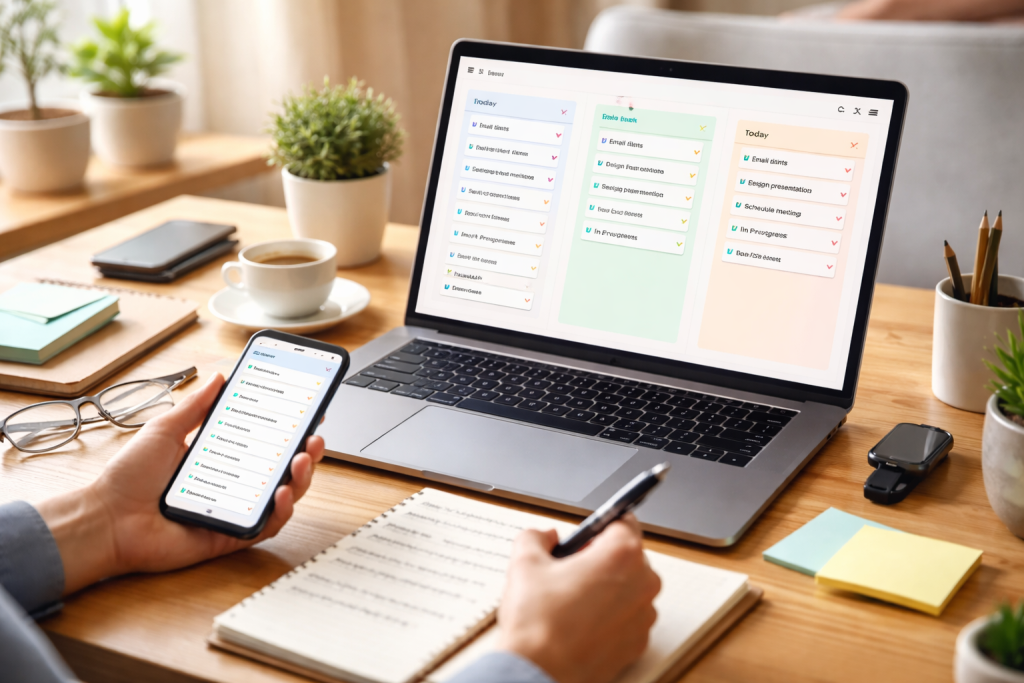
Digital task management applications have emerged as indispensable allies for modern professionals seeking to conquer their daily to-do lists. These apps go beyond simple checklists, offering features that facilitate planning, execution, and tracking of tasks, ultimately leading to a more streamlined and efficient workflow. By centralising all your responsibilities, breaking down complex projects, and providing reminders and progress tracking, these tools empower you to take control of your workload and achieve greater productivity.
Choosing the Right Task Management App for Your Workflow
Task management apps proliferate the market, each boasting unique strengths and catering to specific target audiences. Selecting the right app hinges on understanding your individual workflow and the types of tasks you manage. Some apps excel at individual task tracking with simple to-do lists and reminders, while others are geared toward collaborative project management with features like task assignments, progress boards, and team communication. Consider factors like user-friendliness, integration capabilities with other tools you use, and the pricing model before making a decision. Experimenting with a few free trials can be a wise investment of time.
The Power of Subtasks and Project Breakdown
Complex projects can often feel overwhelming when viewed as a monolithic entity. Digital task management apps excel at helping you break down these larger endeavours into smaller, more manageable subtasks. This not only makes the project seem less daunting but also allows for clearer progress tracking and a more systematic approach to completion. By defining clear steps and milestones, you can maintain momentum and celebrate small victories along the way, creating an aura of achievement that drives continued productivity.
Utilizing Reminders and Notifications for Deadline Adherence
minimisesOne of the most critical functions of task management apps is their ability to provide timely reminders and notifications. These digital nudges are invaluable for ensuring that deadlines are met and important tasks are not overlooked. By setting up personalised alerts for individual tasks and project milestones, you can create a robust system of accountability that minimizes the risk of forgotten obligations. This proactive approach to deadline management is a hallmark of efficient professionals.
RecognisingEven with the best intentions and the most advanced digital tools, managing daily tasks effectively in the digital age is not without its challenges. The very technology that empowers us can also become a source of distraction and overwhelm. Recognizing these common pitfalls and developing strategies to overcome them is crucial for sustained efficiency. Addressing these hurdles head-on will ensure that your digital tools remain your allies rather than becoming unintended obstacles.
The Siren Song of Digital Distractions
minimiseThe internet, while a boundless resource, is also a wellspring of distraction. Social media notifications, tempting news feeds, and the allure of endless content consumption can easily derail even the most disciplined individual. Implementing strategies to minimize these distractions is paramount. This might involve using website blockers during focused work periods, turning off non-essential notifications, or creating dedicated “no-tech” zones for deep work. The key is to be intentional about your digital environment and actively curate it to support your productivity goals.
The Illusion of Busyness vs. True Productivity
In the digital age, it’s easy to confuse being constantly busy with being truly productive. We can spend hours responding to emails, attending virtual meetings, and juggling various digital platforms without actually making significant progress on our core objectives. True productivity is about achieving meaningful results, not simply filling our time. Reflecting regularly on the impact of your activities and asking yourself if they are contributing to your overarching goals is essential for distinguishing between busyness and effective output.
The Perpetual Struggle for Work-Life Balance in a Connected World
“on”.The digital age has blurred the lines between work and personal life, making the pursuit of work-life balance a constant challenge. The ability to disconnect and recharge is vital for preventing burnout and maintaining overall well-being. This requires setting clear boundaries around work hours, dedicating time for personal pursuits, and resisting the urge to be constantly “on.” Learning to say no to non-essential tasks and understanding the importance of downtime are crucial skills for sustainable success and happiness.
The Art of Balance: Harmonizing Work and Personal Responsibilities Digitally
fulfilmentAchieving a harmonious balance between professional and personal responsibilities in the digital age is not a aurora; it’s a deliberate and ongoing process. Technology offers powerful ways to streamline both spheres of our lives, but it also requires mindful integration and the establishment of clear boundaries. By leveraging digital tools strategically and embracing mindful practices, we can cultivate a life where productivity at work coexists with fulfillment and well-being in our personal lives.
Establishing Digital Boundaries for Personal Time
endeavours.Setting firm digital boundaries is perhaps the most critical aspect of maintaining work-life balance in the digital age. This involves consciously deciding when you will and will not engage with work-related communications and devices. For instance, designating specific times for checking work emails outside of core work hours, or committing to putting away your work phone during family dinners, can create much-needed separation. These boundaries are not about shirking responsibility but about preserving your mental and emotional energy for both your professional and personal endeavors.
Utilizing Technology for Personal Organization and Well-being
Just as technology can organise our work, it can also bring order and efficiency to our personal lives. Digital tools can help us manage household chores, track personal appointments, plan social activities, and even monitor our health and fitness. Utilising apps for meal planning, budgeting, or habit tracking can free up mental bandwidth and reduce stress, allowing for more quality time with loved ones and for personal pursuits. This holistic application of digital tools creates a more integrated and manageable life.
The digital age presents both formidable challenges and extraordinary opportunities for managing our daily tasks. By understanding the importance of efficiency, strategically leveraging technology, implementing effective time management strategies, and utilising digital organisational tools, modern professionals can not only navigate the complexities of their work but also cultivate a more balanced and fulfilling life. Indeed, we possess the power to achieve peak efficiency, just waiting to harness it with intention and skill.

The LearnZA Team is a group of passionate learners and content creators focused on delivering high-quality, practical knowledge in a simple and easy-to-understand format.