
Stress Busters: 5 Powerful Techniques to Manage and Reduce Stress
Stress is a common human experience, often described as a state of mental or emotional strain or tension resulting from adverse or demanding circumstances. While short-term stress can serve as a motivator, chronic or excessive stress can have detrimental effects on both physical and mental well-being. This article outlines five effective techniques for managing and reducing stress, presented as practical strategies rather than guaranteed cures.
Contents
Understanding Your Stressors
Before implementing stress management techniques, it is beneficial to identify the specific factors that trigger stress in your life. This awareness is the first step in developing targeted strategies.
Identifying Personal Stressors
- Cognitive Appraisal: Stress is not solely determined by external events but also by how individuals perceive and interpret those events. A situation that one person finds challenging, another might perceive as an insurmountable obstacle. This internal narrative plays a significant role in the stress response.
- Common Stressors: Stressors can range from minor daily annoyances, such as traffic jams or misplacing keys, to major life changes like job loss, relationship breakdowns, or financial difficulties. Work-related pressures, academic demands, health concerns, and family responsibilities are also frequent sources of stress.
- Journaling as a Tool: Maintaining a stress journal can be a valuable method for tracking when and why stress occurs. Over a week or two, note down situations that cause you to feel stressed, your emotional and physical reactions, and the thoughts that arise during those moments. This practice can reveal patterns and highlight your unique stress triggers.
Differentiating Types of Stress
It is important to distinguish between different types of stress, as they may require varied approaches.
- Acute Stress: This is the most common type of stress, characterized by its short-term nature. It arises in response to immediate demands and pressures, such as meeting a deadline or dealing with an unexpected emergency. Once the demand is removed, the stress typically dissipates.
- Episodic Acute Stress: This condition occurs when acute stress becomes a regular occurrence. Individuals experiencing episodic acute stress often feel overwhelmed by their commitments and responsibilities, leading to a chronic sense of being rushed, disorganized, and perpetually in crisis.
- Chronic Stress: This type is the most damaging form of stress, stemming from prolonged and persistent adverse circumstances. Examples include ongoing financial hardship, a dysfunctional family environment, or a deeply unsatisfying job where there is little control or opportunity for escape. Chronic stress can persist for months or even years and is associated with a wide range of health problems.
Cultivating Mindfulness and Present Moment Awareness
Mindfulness involves paying attention to the present moment without judgment. It is a practice that can help detach individuals from ruminative thoughts about the past or anxieties about the future, which are often significant contributors to stress.
The Principles of Mindfulness
- Non-Judgmental Observation: The core of mindfulness is watching your thoughts, feelings, bodily sensations, and the surrounding environment as they are, without labeling them as “good” or “bad.” This detachment allows for a more objective understanding of your internal and external experiences.
- Present Moment Focus: Chronic stress often arises from dwelling on what went wrong or worrying about what might happen. Mindfulness anchors attention to the “now”—a space where problems are often less overwhelming and more manageable.
- Acceptance: Rather than fighting against difficult emotions or situations, mindfulness encourages embracing them. This does not mean resignation, but rather acknowledging the reality of the present moment, which can reduce the resistance that often amplifies suffering.
Practical Mindfulness Techniques
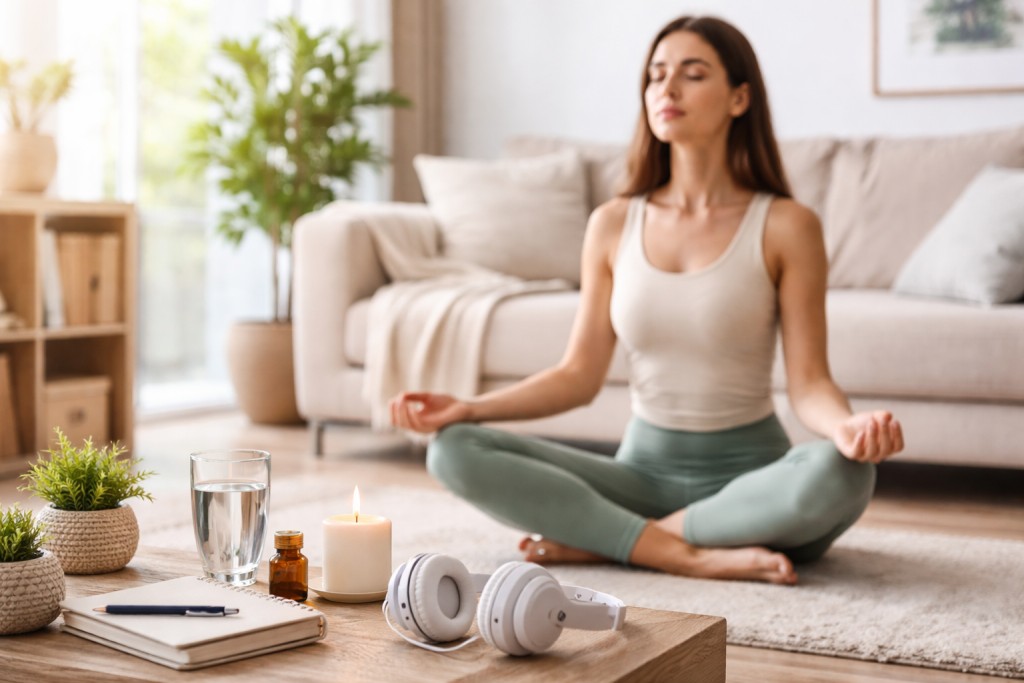
- Mindful Breathing: Focusing on the sensation of your breath entering and leaving your body is a foundational mindfulness practice. When your mind wanders, gently guide your attention back to your breath. This exercise can be done anywhere, at any time, and requires no special equipment. It acts as an anchor to the present, much like a ship’s anchor secures it against a turbulent sea.
- Body Scan Meditation: This practice involves systematically bringing awareness to different parts of your body, noticing any sensations without trying to change them. This can increase body awareness and help release physical tension that often accompanies stress.
- Mindful Walking: This involves paying close attention to the physical sensations of walking—the feeling of your feet on the ground, the movement of your legs, and your posture. It transforms a routine activity into an opportunity for mindful engagement.
- Mindful Eating: This practice encourages you to pay full attention to the experience of eating, from the visual appeal of the food to its taste, texture, and smell. It can enhance appreciation for nourishment and reduce the tendency to eat distractedly.
Implementing Regular Physical Activity
Exercise is a well-established stress reducer. It can help clear the mind, release physical tension, and improve overall mood through the release of endorphins.
The Physiological Benefits of Exercise for Stress
- Endorphin Release: Physical activity stimulates the production of endorphins, which are natural mood lifters and pain relievers. These neurochemicals can create a sense of well-being and reduce the perception of stress.
- Cortisol Regulation: While acute stress leads to a temporary surge in cortisol, the primary stress hormone, regular exercise can help regulate the body’s cortisol response. Over time, this can lead to a more balanced hormonal system and reduced physiological strain.
- Improved Sleep Quality: Stress often disrupts sleep patterns. Regular physical activity can promote deeper and more restful sleep, which is crucial for stress recovery and overall resilience.
- Reduced Muscle Tension: Stress can cause muscles to tense up. Exercise can help release this tension, leading to a feeling of physical relaxation.
Choosing and Committing to an Exercise Routine
- Finding Enjoyable Activities: The key to a sustainable exercise routine is to select things “now”—a space that you genuinely enjoy. Whether it’s dancing, swimming, hiking, or playing a sport, finding fun in movement makes it less of a chore and more of a pleasure.
- Consistency Over Intensity: For stress management, consistency is often more important than high intensity. Aim for regular, moderate activity rather than infrequent, strenuous workouts. This builds a foundation of physical well-being.
- Incorporating Movement into Daily Life: Beyond dedicated workout sessions, look for opportunities to increase your physical activity throughout the day. Taking the stairs instead of the elevator, going for a walk during your lunch break, or doing chores around the house all contribute to overall movement.
- Setting Realistic Goals: Begin with achievable goals and gradually increase the duration or intensity as your fitness improves. This prevents discouragement and promotes a sense of accomplishment.
Practicing Relaxation Techniques
These techniques are specifically designed to induce a state of deep relaxation, counteracting the body’s fight-or-flight response associated with stress.
Active Relaxation Strategies
- Progressive Muscle Relaxation (PMR): This technique involves systematically tensing and then releasing different muscle groups in the body. The contrast between tension and relaxation helps individuals become more aware of physical tension and learn to release it voluntarily. For example, you might clench your fists tightly for a few seconds, then release, noticing the difference.
- Diaphragmatic Breathing (Deep Breathing): The method focuses on engaging the diaphragm for more efficient and calming breathing. Instead of shallow chest breaths, which are often associated with stress, diaphragmatic breathing involves inhaling deeply, allowing the abdomen to expand, and exhaling slowly. This conscious act can signal the nervous system to calm down.
- Guided Imagery: The practice involves using one’s imagination to create peaceful and relaxing mental scenarios. You might envision yourself on a tranquil beach, in a serene forest, or in any other place that evokes a sense of calm. The brain often responds to vividly imagined experiences as if they were real.
Passive Relaxation Methods
- Meditation: While mindfulness meditation focuses on present moment awareness, other forms of meditation, such as transcendental meditation or loving-kindness meditation, can also be profoundly relaxing. These practices often involve focusing on a mantra, an object, or an emotion to calm the mind.
- Yoga and Tai Chi: These practices combine physical postures, breath control, and meditation. They promote flexibility, strength, and a sense of inner calm. The mindful movements and focus on breath are inherently relaxing.
- Listening to Calming Music: Certain types of music, particularly instrumental or classical pieces with slow tempos and predictable rhythms, can have a pacifying effect on the nervous system.
- Aromatherapy: The use of essential oils from plants, such as lavender or chamomile, is believed to promote relaxation. These can be used in diffusers, baths, or massages. The science behind aromatherapy is still developing, but many individuals report a subjective sense of calm.
Building and Nurturing Social Connections
| Technique | Description |
|---|---|
| Deep Breathing | A technique that involves taking slow, deep breaths to calm the body and mind. |
| Progressive Muscle Relaxation | This method involves tensing and then relaxing each muscle group to reduce physical tension. |
| Mindfulness Meditation | Mindfulness Meditation is a practice that involves focusing on the present moment and accepting it without judgement. |
| Physical Activity | Regular exercise or physical activity can help reduce stress and improve mood. |
| Healthy Lifestyle Choices | Adopting healthy habits, such as maintaining a balanced diet, getting adequate sleep, and avoiding excessive alcohol and caffeine, is crucial. |
Human beings are social creatures, and strong social support networks are vital for resilience in the face of stress. Sharing burdens and receiving encouragement can significantly mitigate the impact of stressors.
The Role of Social Support
- Emotional Buffer: Friends and family can act as an emotional buffer during difficult times. Simply having someone to listen without judgment or offer words of encouragement can make a significant difference. This method is like having a strong fence around your emotional garden, protecting it from harsh winds.
- Problem-Solving Assistance: Loved ones may offer different perspectives or practical advice that can help in navigating challenging situations. They might see solutions, but you are too close to the problem to recognize them.
- Sense of Belonging: Feeling connected to others combats feelings of isolation, which can exacerbate stress. A strong social network fosters a sense of belonging and reinforces your value.
- Distraction and Humor: Spending time with supportive people can also provide healthy distractions and opportunities for laughter, both of which can temporarily alleviate stress.
Strategies for Strengthening Social Ties
- Prioritize Time with Loved Ones: A busy world often leads to the neglect of social connections. Make a conscious effort to schedule regular time for friends and family, even if it is just a brief phone call or a shared meal.
- Open Communication: Be willing to share your feelings and experiences with trusted individuals. Vulnerability can deepen connections and allow others to offer support. Similarly, be a compassionate listener for others.
- Join Groups or Clubs: Engaging in activities that align with your interests can lead to meeting new people and forming new friendships. This could be a book club, a hiking group, a volunteer organization, or a sports team.
- Express Gratitude: Regularly acknowledging and appreciating the people in your life can strengthen those bonds. A simple “thank you” or a gesture of appreciation can go a long way.
- Cultivate Positive Relationships: Focus your energy on relationships that are supportive and uplifting. It is also important to set boundaries with individuals who consistently drain your energy or contribute negatively to your well-being.
This article has presented five key areas for stress management. By understanding your stressors, practicing mindfulness, engaging in regular physical activity, employing relaxation techniques, and nurturing your social connections, you can develop a more robust approach to managing and reducing stress in your life. These techniques are not a panacea but rather tools that, when consistently applied, can contribute to a greater sense of well-being and resilience.

The LearnZA Team is a group of passionate learners and content creators focused on delivering high-quality, practical knowledge in a simple and easy-to-understand format.